
If you spend even a small amount of time on beauty TikTok, Reddit, or in niche fragrance forums, one question keeps resurfacing again and again: What current perfume trends do you love?
It is a deceptively simple question. On the surface, it asks for favorites. But beneath it lies something more revealing about how we are changing as fragrance wearers, how scent is evolving as a form of self-expression, and how the perfume industry itself is shifting in response to our desires.
Fragrance is no longer just something you spritz before leaving the house. It has become personal, emotional, experimental, and deeply tied to identity. Right now, perfume trends are not moving in one single direction. Instead, they reflect many parallel movements that together paint a fascinating picture of where scent culture is heading.
Let’s explore the trends that feel most alive, most meaningful, and most exciting today.
1. Perfume Trends: The Rise of “Skin Scent” Fragrances
One of the biggest trends of the past few years, and still going strong, is the love for skin scents. These are fragrances that smell soft, intimate, and close to the body rather than bold, overpowering, or room-filling.
Think musks, milks, ambers, and clean laundry notes that melt into your natural scent rather than sitting on top of it.
People are moving away from the idea that perfume must announce itself before you walk into a room. Instead, many of us want a fragrance that feels like a second skin, something someone only notices when they lean in close.
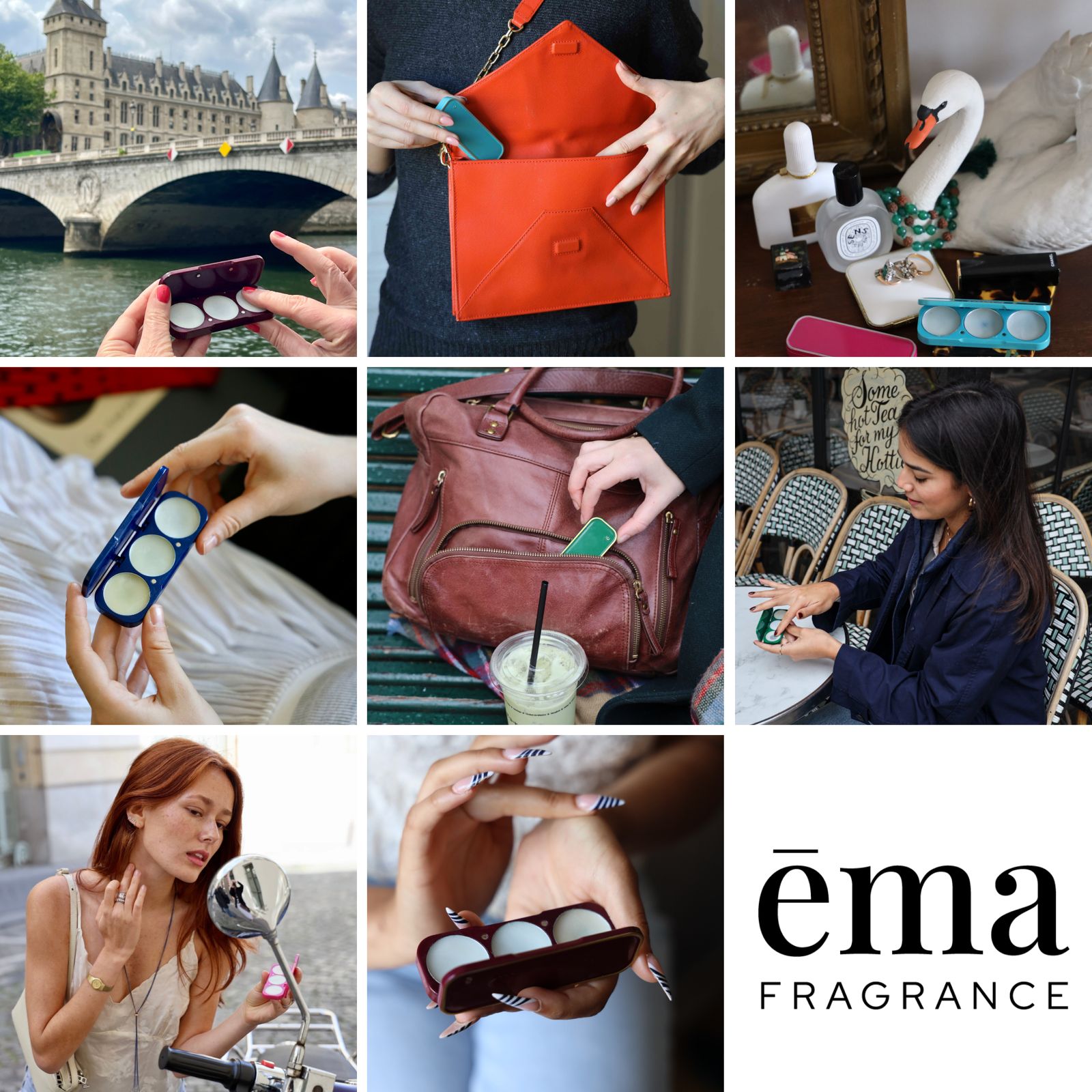
This is where solid perfumes, like ēma fragrance, have found a natural place in today’s perfume conversation. Because they sit closer to the skin and release scent gradually, they create that soft, personal aura rather than a dramatic cloud of fragrance.
Skin scents also feel democratic. They are easy to wear, work for many body chemistries, and are less likely to trigger headaches or sensitivities. They invite layering, mixing, and personalization, which leads beautifully into the next trend.
Skin Scent Fragrance Notes
2. Perfume Trends: Layering as a Creative Ritual
Perfume layering is no longer just something niche fragrance enthusiasts do. It has become mainstream.
Instead of buying one signature scent and wearing it for years, people are treating fragrance like a wardrobe. They mix and match notes, experiment with combinations, and build their own unique scent profiles.
This trend is particularly visible in the rise of solid perfumes and refillable systems that encourage play rather than perfection. ēma fragrance, for example, was designed around this idea that scent should be customizable rather than prescriptive.
You might start with a comforting base like Vanilla or Tonka Bean, then add a floral like Jasmine or Bulgarian Rose, or brighten it with a citrus like Bergamot or Grapefruit. The result is not just “a perfume,” but your perfume.
Layering is empowering because it turns fragrance from a passive purchase into an active creative process. You are not just choosing a scent. You are composing one.
Many people now treat fragrance like music or fashion. Some days call for cozy warmth, other days for fresh brightness, and some evenings for something deeper and more mysterious like Soft Oud.
The appeal is deeply emotional. Your scent becomes tied to your day, your energy, your memories, and your identity. It evolves with you rather than staying static.


3. Clean, Alcohol-Free, and Skin-Friendly Formulas
Another major shift in fragrance right now is the growing demand for cleaner, gentler formulations.
Many people are becoming more mindful about what they put on their skin. They are asking questions about alcohol content, synthetic ingredients, and how fragrance interacts with sensitive skin.
Alcohol-free perfumes, especially solid fragrances, are gaining serious momentum. They feel nourishing rather than drying, portable rather than bulky, and more aligned with a wellness mindset.
This trend is part of a larger movement that treats scent not just as beauty but as self-care.
Fragrance is no longer simply decorative. It is something that can soothe, ground, energize, or comfort you. People are drawn to scents that feel calming, nostalgic, or emotionally supportive.

4. Niche Over Mass
One of the most striking trends in fragrance culture today is the shift from mass-market perfumes to niche brands.
Consumers, especially younger generations, are less interested in buying whatever is most heavily advertised. Instead, they want to discover smaller, more thoughtful fragrance brands that feel personal rather than corporate.
ēma fragrance reflects this shift. Instead of chasing trends, it leans into storytelling, craftsmanship, and a distinctly French-inspired sensibility, while remaining modern and wearable.
Niche perfumes often tell a story. They might be inspired by a place, a memory, a piece of art, or a cultural reference. This storytelling aspect resonates deeply with modern consumers who value meaning over hype.
There is also a growing appreciation for unusual notes and unconventional scent combinations. Instead of predictable florals or generic sweetness, people are exploring fragrances with smoky, earthy, woody, or subtly gourmand qualities.
Perfume has become a form of cultural exploration. Wearing a niche scent feels like belonging to a quieter, more curious world.
5. Nostalgia Scents Are Everywhere
Another beloved trend is the return of nostalgia in fragrance.
People are drawn to scents that remind them of childhood, family, travel, or past eras. This might mean powdery florals that evoke vintage makeup bags, warm baked-goods notes that smell like home, or sun-kissed scents reminiscent of summer vacations.
Nostalgia perfumes feel comforting in an uncertain world. They ground us in memories when everything else feels fast-moving and unpredictable.

“Scent is no longer just a signature, it is a conversation between memory, mood, and the skin.”

6. Sustainability and Refillable Design
Sustainability is no longer a niche concern in beauty. It has become central to how many people choose products, including perfume.
Refillable compacts, reusable bottles, and minimal packaging are increasingly valued. Consumers want to enjoy luxury without unnecessary waste.
This is another space where solid perfumes like ēma shine. Instead of discarding a bottle when it is empty, you keep the elegant metal compact and simply replace the fragrance pod inside.

Modern fragrance is about layering, nostalgia, and skin-first wear.

7. Gender-Fluid Fragrance
The idea that certain perfumes are “for women” or “for men” is rapidly dissolving.
More and more fragrances are marketed as unisex, and many consumers actively seek out scents that blur traditional boundaries.
Notes like Soft Oud, sandalwood, musk, and citrus work beautifully across gender lines. Similarly, florals like rose or jasmine are no longer confined to traditionally feminine marketing.
ēma’s fragrance library reflects this fluidity. A note like Soft Oud can feel deep and grounded on one person, and soft and romantic on another. Vanilla can feel cozy or sensual depending on how it is layered.
This trend reflects a broader cultural movement toward fluidity in identity, fashion, and self-expression.
Perfume is becoming less about fitting into a category and more about finding what truly resonates with you.
Unisex Fragrance Notes
8. Quiet Luxury Over Loud Glamour
If there is one aesthetic that seems to define the current fragrance moment, it is quiet luxury.
Instead of bold, flashy, instantly recognizable perfumes, people are gravitating toward subtle, sophisticated scents that feel expensive without screaming for attention.
Solid perfumes naturally align with this trend. They are intimate rather than loud, elegant rather than showy, and deeply personal rather than performative.
ēma fragrances embody this quiet confidence. They are not about filling a room. They are about enhancing your presence.
In perfume, quiet luxury means smelling clean, warm, elegant, and distinctly “you” rather than like a billboard for a brand.

9. Personalization as the Future
Perhaps the most exciting trend of all is the move toward personalization.
Whether through layering, refillable systems, or customizable scent profiles, consumers are increasingly involved in shaping their own fragrance experience.
ēma fragrance was built around this idea: that scent should be playful, adaptable, and personal rather than fixed.
You can wear one note alone for simplicity, or blend several to tell a more complex story. Your scent can change with your mood, your season, or your memories.
Your perfume is no longer just something you wear. It is something you co-create.

So, What Trends Do We Truly Love?
The beauty of today’s fragrance landscape is that there is no single dominant trend. Instead, there is room for softness, experimentation, nostalgia, innovation, and self-expression all at once.
- We love skin scents for their intimacy.
- We love layering for its creativity.
- We love clean formulas for their gentleness.
- We love niche brands for their artistry.
- We love nostalgia for its emotional warmth.
- We love refillable designs for their sustainability.
- We love gender-fluid fragrances for their freedom.
- We love quiet luxury for its elegance.
- And we love personalization for its empowerment.
Perfume right now feels more thoughtful, more personal, and more connected to who we are than ever before.
So when someone asks, “What current perfume trends do you love?” the answer is not just about scent. It is about how fragrance is evolving with us, reflecting our values, our emotions, and our desire to feel truly seen and understood.
In many ways, perfume has never been more exciting.

Share:
The Quiet Backlash Against Synthetic Perfume
The Forgotten Art of the Wedding Perfume