
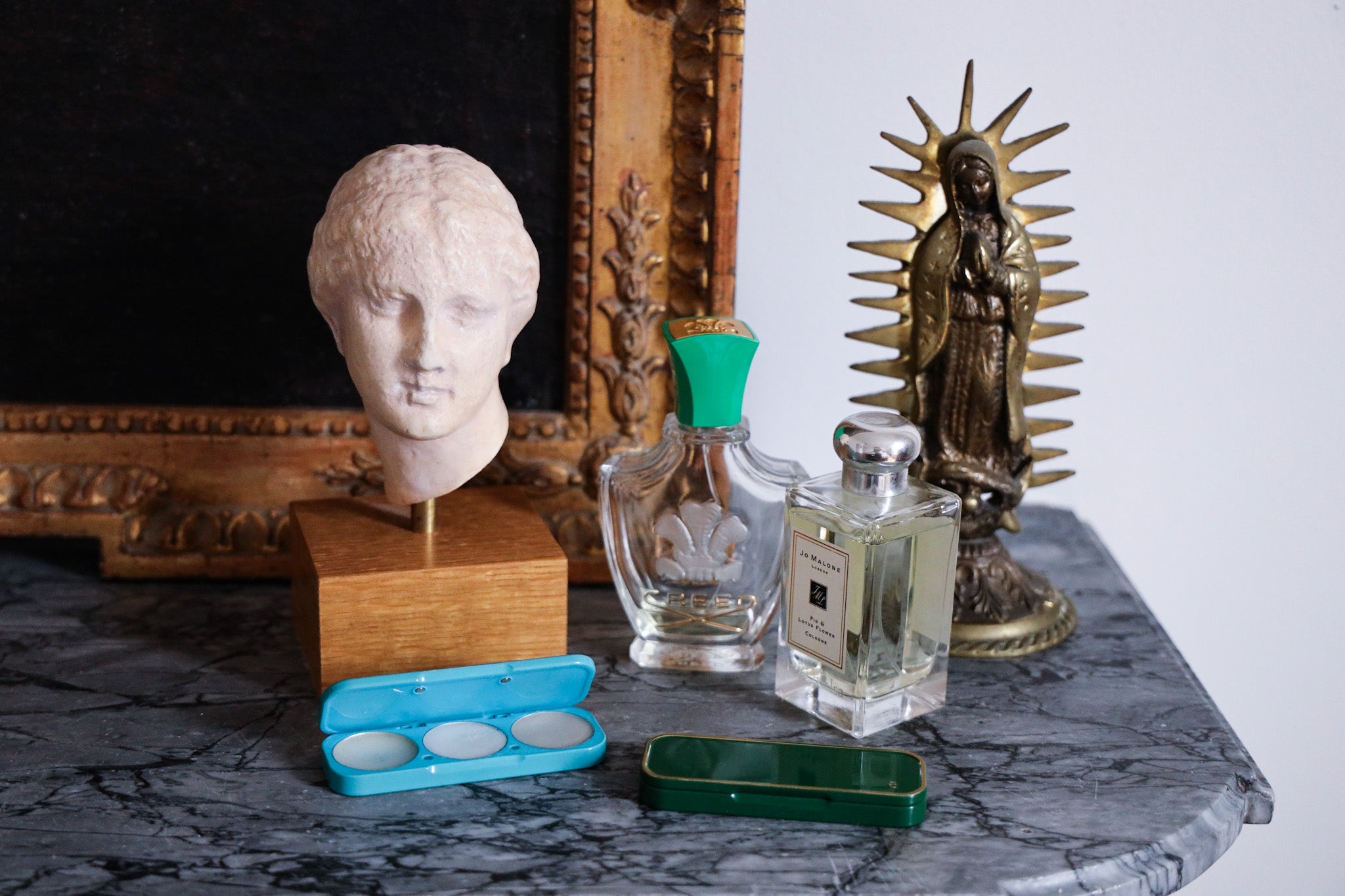
There is something quietly empowering about creating your own signature scent. Instead of searching endlessly for the “perfect” perfume or repurchasing expensive bottles year after year, you can learn to build fragrances yourself using solid perfumes. With a small collection of thoughtfully chosen notes, you can recreate beloved luxury scents, customize them to your taste, and even improve on them.
Solid perfume makes this process easier, cleaner, and more intuitive than traditional liquid fragrance. It invites experimentation, encourages creativity, and puts you in control of what you wear on your skin. Whether you want to duplicate a famous designer perfume, design a personalized version of your favorite scent, or simply understand how fragrance works, learning to make your own perfume dupe is both an art and a skill worth developing.
This guide will walk you through how to do exactly that using ēma fragrance solid perfume pods.
Why Use Solid Perfume for Dupes
Most perfume dupes are created in liquid form by chemists or fragrance houses that reverse engineer popular scents. While this can be effective, it often lacks transparency, creativity, and personalization. You receive a finished product rather than participating in the process.
Solid perfumes change the experience entirely.
First, solid perfume is naturally layered in a more transparent way. Because the fragrance is suspended in a wax base, each note remains distinct and tactile. You can feel the texture, observe how it melts into your skin, and notice how each scent evolves over time.
Second, solid perfume is incredibly forgiving. If you apply too much of one note, you can simply balance it with another. If a blend feels too sweet, you can add something woody. If it feels too heavy, you can brighten it with citrus. This flexibility makes it ideal for creating perfume dupes.
Third, solid perfume is alcohol-free and gentle on the skin. This means you can test, mix, and reapply without irritation or overwhelming intensity. It sits close to the body rather than projecting loudly, which allows you to fine-tune your scent gradually.
Finally, solid perfume is portable, travel-safe, and refillable. You can carry multiple notes with you, experiment throughout the day, and refine your dupe over time rather than committing to a single spray bottle.

Perfume Layers: Top Notes
Understanding How Perfume Is Built
Before you attempt to create a dupe, it helps to understand the basic structure of fragrance.
Traditional perfumes are built in three layers.
Top notes are what you smell first. These are usually fresh, bright, or fruity scents like bergamot, grapefruit, lemon, or raspberry. They make the initial impression but fade relatively quickly.
Heart notes emerge after the top notes soften. These are often floral or soft spicy elements such as jasmine, rose, peony, or ylang ylang. They define the character of the fragrance.
Base notes are the foundation. These linger the longest and give depth and warmth to the scent. Common base notes include vanilla, tonka bean, sandalwood, musk, amber, or soft oud.
When you create a perfume dupe, your goal is not to copy every molecule in a designer fragrance. Instead, you aim to recreate the emotional experience of the scent by selecting similar types of notes in similar proportions.
Solid perfume makes this layering process simple. You can literally build your fragrance on your skin by applying different pods to different pulse points.
Perfume Layers: Heart Notes
Step One: Identify Your Target Fragrance
Start by choosing the perfume you want to recreate. It might be a classic floral like Chanel No. 5, a modern gourmand like YSL Black Opium, or a minimalist scent like Glossier You.
Take time to really smell it.
Ask yourself these questions:
Do I want it to be more floral or more sweet? Do I want it to feel fresh or warm? Light and airy or rich and deep?
What do I typically like? Vanilla, wood, citrus, or flowers?

You do not need to be a perfumer to answer these. Trust your instincts. If a fragrance feels “cozy,” you will likely want vanilla or tonka. If it feels “clean,” you might lean toward citrus or musk. If it feels “romantic,” you might choose rose or jasmine.
If you can, look up the official fragrance notes of your chosen perfume. Many brands list them online. This will give you a helpful roadmap.
Perfume Layers: Base Notes
Step Two: Choose Your Solid Perfume Notes
Once you understand the general profile of your target scent, select solid perfume pods that mirror its structure.
For a sweet, warm perfume, you might choose: Vanilla as your base note; Tonka bean for depth; A touch of jasmine for softness.
For a fresh, elegant perfume, you might select: Bergamot as your top note; Peony or rose as your heart; A hint of musk or sandalwood as your base.

For a bold, mysterious fragrance, you could try: Soft oud as your base; Ylang ylang or tuberose as your heart; Grapefruit to brighten the opening.
With ēma fragrance, each pod is designed to stand alone but also to blend beautifully with others. This makes experimentation enjoyable rather than intimidating.
“A perfume is not something you smell. It is something you feel.” - Frédéric Malle

How to Think About a Perfume Dupe
A good dupe is not a lab clone. It captures the character of a fragrance.
Ask yourself:
Is the scent warm or fresh?
Sweet or dry?
Floral, woody, or gourmand?
Airy or dense?
Once you understand the personality of the perfume, you can recreate it using complementary solid perfume notes.

The most meaningful perfumes aren’t duplicated, they’re re-created on skin.

Most Requested Perfume Dupes and How to Recreate Them
1. Baccarat Rouge 540
Vibe: Airy sweetness, warm amber glow; addictive skin scent.
ēma solid perfume approach:
Base: Soft Oud or Amber style note if available
Heart: Jasmine or a clean floral
Top: Bergamot for lift
Apply oud or amber first, lightly. Add jasmine to soften and give radiance. Finish with bergamot to create that floating, crystalline effect. The goal is warmth without heaviness.
2. Santal 33
Vibe: Dry cedar, creamy wood, modern minimalism.
ēma solid perfume approach:
Base: Cedar
Heart: Soft floral like Peony or Jasmine
Accent: Musk or subtle citrus
Apply cedarwood as the anchor. Add just a whisper of floral to smooth the edges. Keep it restrained. This scent works best when understated.
3. Black Opium
Vibe: Sweet gourmand, coffee warmth, nighttime sensuality.
ēma solid perfume approach:
Base: Vanilla
Depth: Tonka Bean
Accent: Raspberry or soft floral
Start with vanilla and tonka together to create richness. Add a small amount of raspberry to brighten and modernize. Solid perfume keeps this cozy instead of cloying.

4. Le Labo Another 13
Vibe: Clean, musky, barely there
ēma solid perfume approach:
Base: Musk
Heart: Jasmine or Peony
Optional accent: Bergamot
Use minimal product. This scent should feel like clean skin, not perfume. Apply lightly and let body heat do the work.

5. Creed Aventus
Vibe: Fresh fruit, woods, confidence
ēma solid perfume approach:
Top: Bergamot
Heart: Fruity note like Raspberry
Base: Woody or musk base
Solid format makes this cleaner and more wearable for daily use.
Why Custom Dupes Often Feel Better Than Originals
When you build your own perfume dupe, you control intensity, balance, and mood. Many people find that their custom blends feel more natural, more flattering, and more emotionally connected than designer perfumes.
You are no longer wearing a brand. You are wearing a scent that adapts to you.


Share:
What Current Perfume Trends Do You Love?
Single Note Solid Perfumes: Why Minimalist Fragrance Is Trending in 2026