
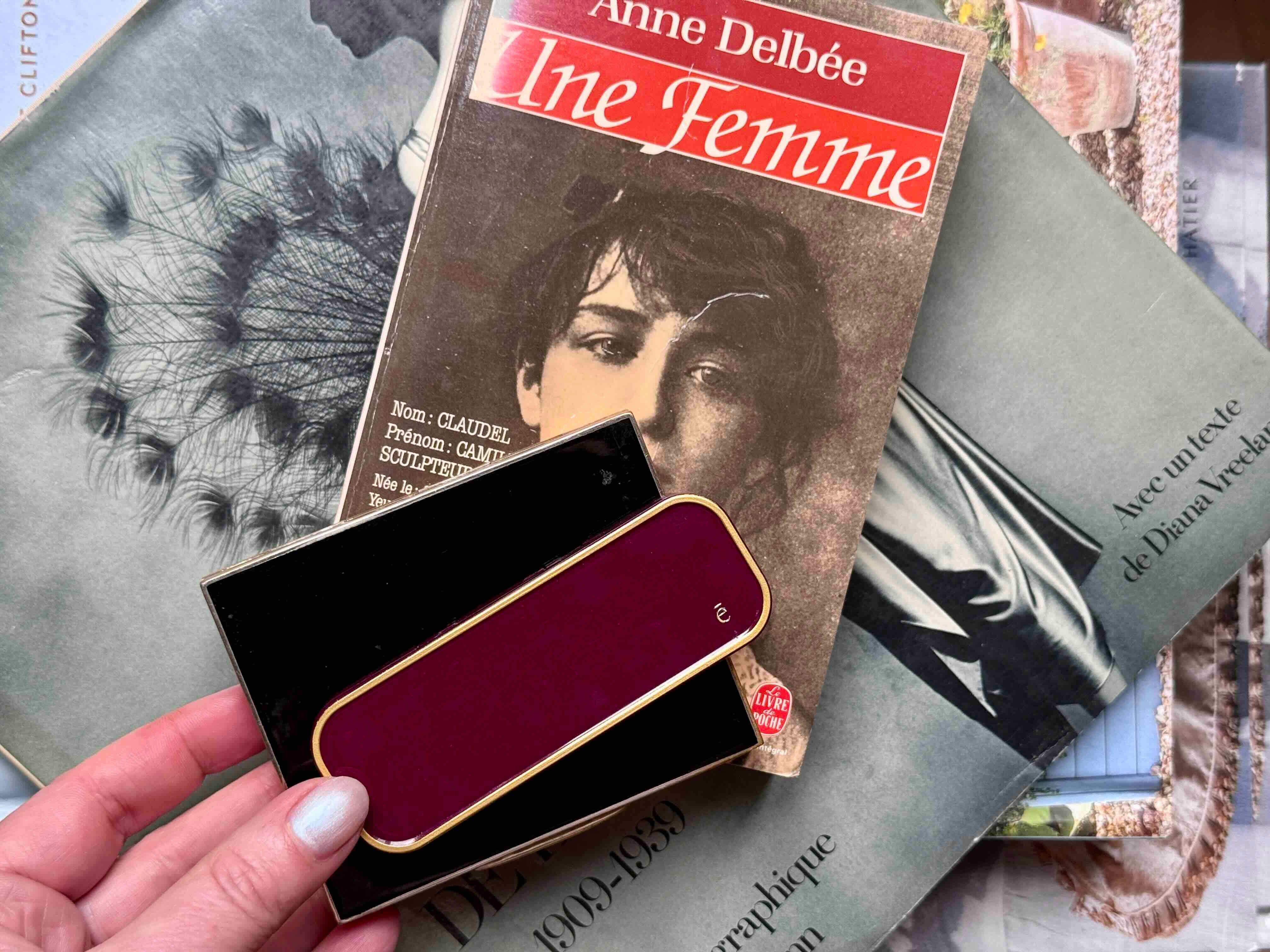
Do hormones really impact the way you experience scent?
Have you ever noticed that your favorite perfume suddenly smells “too strong,” or that a scent you once loved no longer feels right? You’re not imagining it. Your hormones play a powerful role in how you perceive and experience fragrance. From the heightened sensitivity of pregnancy to the shifts during menopause, hormonal changes can transform your relationship with scent.
At ēma fragrance, we believe perfume is more than just beauty — it’s a wellness ritual that can evolve with you. Here’s how different stages of hormonal change can influence your sense of smell, and how fragrance can become a supportive part of your journey.

PMS and Scent Sensitivity
Scent Sensitivity During Your Cycle: What to Know
During the days leading up to your period, hormone fluctuations — especially rising progesterone and falling estrogen — can heighten your sense of smell. For some, this means everyday scents (like perfume or even food) feel stronger or more irritating.
Tips:
Choose lighter, fresh notes like citrus, green tea, or neroli.
Avoid heavy musks or intense florals if they feel overwhelming.
Solid perfumes are ideal because you can apply a small amount exactly where you want it.
How to apply solid perfume
Where to Wear Solid Fragrance for Best Diffusion
Apply to pulse points where your skin is naturally warm — this helps the scent diffuse gently throughout the day.
-
Focus on areas like:
Behind the ears
Wrists
Back of the neck
Inside the elbows
Behind the knees
For a subtle, lingering trail, swipe a small amount through your hair.
Solid perfumes offer precise, buildable application — perfect for layering or refreshing on the go.

Pregnancy Hormones and Smell Sensitivity
Hyperosmia & Hormones: Navigating Smell Sensitivity While Pregnant
One of the most well-documented hormonal shifts occurs during pregnancy, when many women experience hyperosmia (a heightened sense of smell). This can make fragrances, cleaning products, or even food aromas feel overpowering.
Tips:
Opt for pregnancy-safe perfumes with minimal alcohol and clean ingredients — solid perfumes are a natural choice.
Stick to gentle, calming notes like vanilla, lavender, or light citrus.
Apply fragrance to clothes or hair instead of directly on skin if you’re extra sensitive.ēma's formula is non-greasy and won't stain.
Postpartum and Changing Preferences
Hormones, Healing & Fragrance: What Changes After Birth
After giving birth, estrogen and progesterone levels drop dramatically, often shifting scent perception. Many new mothers also become more sensitive to fragrance because of their bond with their baby — prioritizing soft, comforting scents that don’t overwhelm.
Tips:
Embrace soothing, cozy notes like sandalwood, almond, or rose.
Keep fragrance subtle so it doesn’t interfere with baby bonding.
Solid perfumes are discreet for on-the-go refreshes between feedings or outings.
Menopause and Rediscovering Scent
Hormonal Shifts & Smell: Finding Fragrance That Feels Right
During perimenopause and menopause, declining estrogen levels can cause changes in olfactory sensitivity. Some women report a dulled sense of smell, while others find certain notes suddenly unappealing. Fragrance can also play a powerful role in boosting confidence and mood during this transition.
Tips:
Experiment with new scent families — you may find yourself drawn to different notes than before.
Layer perfumes to create richness and depth if certain fragrances feel “flat.”
Use grounding, empowering notes like amber, patchouli, or jasmine.
Layer, Blend, Prime: Your Ritual with Solid Fragrance

Tips for Layering, Blending & Using Solid Perfume as a Primer:
Start with a solid base: Apply your ēma solid perfume to pulse points first — it acts like a primer, anchoring the scent and helping layered fragrances last longer.
Blend with intention: Choose complementary notes (e.g., citrus + cedarwood, neroli + vanilla) to create a scent that feels personal and evolves throughout the day.
Layer textures, not just scents: Use solid perfume for precision and intimacy, then mist a liquid fragrance over clothing or hair for diffusion and trail.
Customize your mood: Layer energizing notes in the morning (like green tea or bergamot), and grounding ones at night (like patchouli or amber).
Refresh on the go: Solid perfumes are perfect for touch-ups — reapply to wrists or behind the ears to revive your blend without overpowering.
Let your skin guide you: Warmer areas like the neck, elbows, and knees help scents bloom naturally. Use these zones to build depth and longevity.
How to Work With Your Changing Sense of Smell
Hormonal shifts are a natural part of life, and so is the evolution of your fragrance preferences. The key is flexibility: choose perfumes that match your body, your mood, and your season of life.
That’s where ēma fragrance comes in. Our customizable solid perfume pods let you create blends that adapt to your changing needs — whether you want something light and fresh, soft and comforting, or bold and sensual.
Frequently Asked Questions
Does PMS affect how I smell perfume?
Yes. Hormonal shifts before your period can heighten sensitivity, making fragrances feel stronger or even unpleasant.
What perfumes are safe during pregnancy?
Solid perfumes made with clean, alcohol-free formulas are generally more comfortable and pregnancy-friendly, but always check with your doctor.
Why do perfumes smell different after childbirth?
Postpartum hormonal shifts and your heightened awareness around your baby’s scent can make perfumes seem stronger or different.
Can menopause change my favorite fragrance?
Absolutely. Lower estrogen can dull or alter scent perception, which may lead you to discover new fragrance preferences.
What’s the best solution if my fragrance feels overwhelming?
Switch to solid perfumes for a gentler, more controlled application. They’re subtle and easy to layer or adjust.

Share:
What is Solid Perfume? And why is it trending now?
Fragrance Layering Guide: How to Create Your Own Signature Scent